On April 20th, 2023, the federal government approved a dramatic expansion of the Port of Vancouver: a new three-berth container terminal called Roberts Bank Terminal 2 (RBT2).
In June 2024, Georgia Strait Alliance, alongside our allies at David Suzuki Foundation, Raincoast Conservation Foundation and Wilderness Committee, represented by Ecojustice, legally challenged the project’s approval through a judicial review.
Our lawyers argued that the approval is unlawful because a project cannot be deemed “justified” under environmental assessment legislation when it is contrary to the Species at Risk Act.
Since then, the landscape for major projects in Canada has changed dramatically. With the Building Canada Act (Bill C-5), the federal government has rewritten the rules governing how major projects are approved and regulated, introducing fast-tracked approval processes and sweeping changes to environmental oversight that weaken environmental safeguards, public accountability and meaningful Indigenous consultation.
In July 2026, the Major Projects Office proposed that RBT2 be designated as a project of national interest. And today, we know RBT2 is expected to become more than a container port: the newly announced Pacific Link bitumen pipeline would run from Alberta to Roberts Bank Terminal 2, dramatically increasing the industrial pressures facing the Fraser River Estuary and Salish Sea.
Campaign news

A big biodiversity threat
The $3.5 billion expansion project is right at the heart of the Fraser River Estuary, one of North America’s most biodiverse areas. If the expansion is built, it will add an additional 2.4 million 20-foot shipping containers every year to the waters of the Salish Sea.
The project’s approval came despite significant public opposition from environmental groups, scientists, labour unions, and thousands of Canadians. It also ignored the large body of evidence, including the government’s own Independent Review Panel, indicating that the project will have lasting and irreversible adverse environmental effects that will further endanger Southern Resident orcas, wild Pacific salmon, and one hundred more already at-risk species. Millions of birds also face colossal threats as they migrate along the Pacific Flyway, and heavily depend on the Fraser Estuary habitat.
This project will threaten highly biodiverse and at-risk habitat the size of 330 football fields, furthering the unprecedented biodiversity crisis, while increasing tanker traffic, underwater noise, oil spill risk, and climate destabilization.
Putting the economy, at all costs, above the environment is the reason we’re experiencing such alarming biodiversity loss and impacts from climate change.
Image: Jason Puddifoot
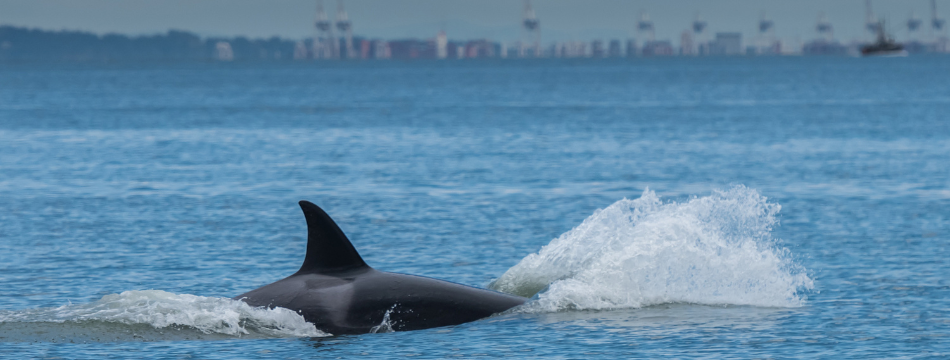
Effects on Southern Resident orcas
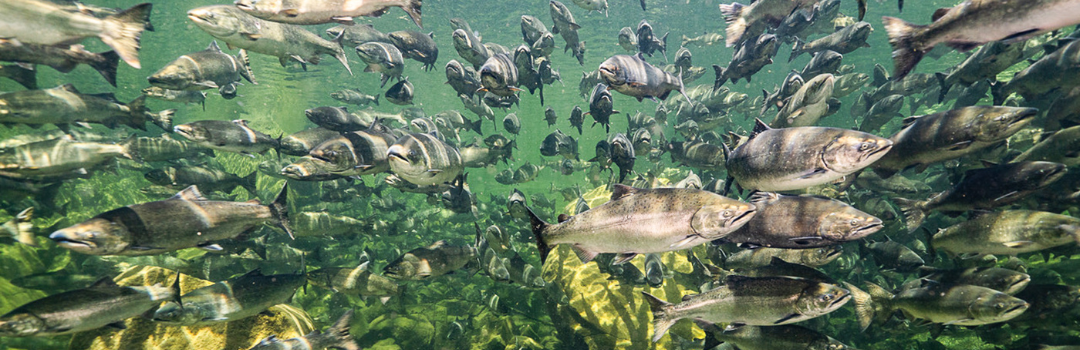
Effects on Pacific Salmon
Environmental Assessment
Ways to get involved:
- Sign up for our monthly e-newsletter for campaign updates & actions
- Connect with us on Instagram, Facebook, X, and LinkedIn
- Donate to help stop this harmful project