Resilient Coastal Communities
Building Climate Ready communities that are equitable, connected, and empowered to shape their future.
Coastal communities across the Salish Sea are already experiencing the impacts of climate change, ecosystem degradation and biodiversity loss, and growing social inequities.
At its core, building community resilience must go beyond technical adaptation to shift the conditions that shape vulnerability in the first place. That means centring environmental justice, Indigenous rights and governance, and creating more equitable and democratic decision-making systems to better shape how coastal resilience is designed and delivered.
We are working to help communities better understand environmental risks, identify opportunities for action, and advocate for resilient, healthy, and equitable futures. This means ensuring communities have the knowledge, resources, relationships, and decision-making power needed to prepare for and respond to change with community-led solutions.
Across all of this work, we are drawing on systems change strategies, community organizing methodologies, and novel approaches to how we tell stories so that we can collectively challenge the underlying governance and economic structures that have produced climate and environmental vulnerability in the first place. We do this while also making visible the just, democratic, and regenerative futures already being built, imagined, and designed at the local level.
Explore our Resilient Coastal Communities work

Climate Ready Now!
Building community power for climate action.
Climate Ready Now! helps communities move from climate awareness to collective action. Through public engagement, partnerships, and advocacy, the campaign builds support for stronger climate preparedness, accountability, and community-driven decision-making. Together, we’re working to ensure communities have a meaningful voice in shaping resilient, just, and livable futures.
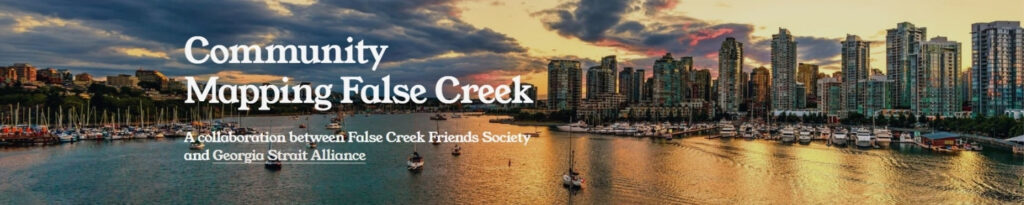
False Creek Mapping
Community knowledge for climate resilience.
The False Creek Community Mapping project brings together residents, organizations, and local knowledge holders to document how climate change is affecting people and places on the ground. By combining community experiences with climate adaptation planning, the project helps identify vulnerabilities, highlight overlooked priorities, and support more inclusive, place-based solutions for a changing climate.